
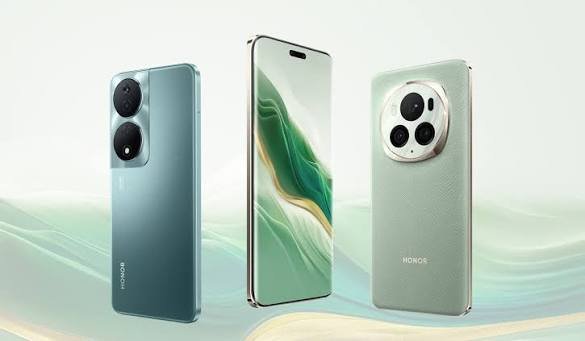
Buying a new smartphone can be exciting, but with so many models, features, specifications, and price ranges available, choosing the right phone can quickly become confusing.
A smartphone is no longer just a device for making calls and sending messages. Modern phones are used for work, education, photography, entertainment, online shopping, banking, navigation, social media, gaming, and much more.
Because smartphones play such an important role in everyday life, choosing the right model requires more than simply looking at the newest design.
The best smartphone for one person may not be the best choice for someone else.
A photographer may prioritize camera quality, while a gamer may care more about performance and cooling. Someone who travels frequently may want excellent battery life, while a business professional may prioritize productivity and security.
So, what should you look for when buying a new smartphone?
In this guide, we will explain the most important smartphone features to consider, including performance, display quality, camera capabilities, battery life, storage, software, durability, connectivity, price, and long-term value.
Start With Your Budget
The first step when buying a new smartphone is deciding how much you are comfortable spending.
Smartphones are available across a wide range of prices, from affordable entry-level devices to premium flagship models.
A higher price does not automatically mean a better phone for your needs.
Premium smartphones often offer advanced cameras, faster processors, higher-quality displays, premium materials, and additional features. However, mid-range smartphones can provide excellent performance for everyday tasks without the premium price.
Before shopping, establish a realistic budget.
It is also useful to consider the total cost of ownership. Accessories, storage, insurance, repairs, and service plans can increase the overall cost.
The right smartphone should provide the features you need without forcing you to pay for capabilities you will rarely use.
1. Consider the Smartphone’s Performance
Performance determines how smoothly a smartphone handles everyday tasks.
The processor, RAM, and software optimization all contribute to performance.
If you regularly use demanding applications, edit photos or videos, play games, or multitask between several apps, a stronger processor and sufficient RAM can make a noticeable difference.
For basic activities such as messaging, web browsing, social media, video streaming, and email, you may not need the most powerful processor available.
Instead of focusing only on specifications, think about how you actually use your phone.
A phone that feels fast and responsive for your daily needs is more important than having the highest benchmark score.
2. Pay Attention to Display Quality
The smartphone display is one of the features you interact with most.
Important factors include:
- Screen size
- Resolution
- Brightness
- Refresh rate
- Color accuracy
- Display technology
A larger screen can be useful for watching videos, reading documents, playing games, and multitasking.
A smaller display may be more comfortable for people who prefer a compact phone that is easier to hold.
Brightness is especially important if you frequently use your smartphone outdoors.
A higher refresh rate can make scrolling and animations appear smoother, although the real-world benefit depends on the device and the type of content you use.
Think about where and how you normally use your phone before choosing a display.
3. Check the Camera System
For many buyers, camera quality is one of the most important smartphone features.
Modern phones can produce impressive photographs, but camera specifications can be confusing.
Don’t judge a camera solely by the number of megapixels.
Image processing, sensor size, lens quality, stabilization, software, and low-light performance can all affect results.
Consider the types of photos you take.
If you photograph landscapes, a good wide-angle camera may be important.
If you enjoy portraits, portrait modes and telephoto capabilities may matter more.
If you frequently record videos, look for strong stabilization, reliable autofocus, and video features that match your needs.
The best smartphone camera is the one that performs well in the situations where you actually use it.
4. Look at Battery Life
Battery life can make a huge difference to the smartphone experience.
A powerful phone with a beautiful display is less useful if the battery constantly runs out before the end of the day.
Battery capacity is usually measured in milliamp-hours, but capacity alone does not tell the whole story.
Battery life also depends on the processor, display, software optimization, network connection, and how heavily the phone is used.
If you spend a lot of time watching videos, gaming, using navigation, or taking photos, you will likely want a phone with strong battery performance.
Also consider charging speed.
Fast charging can be particularly useful when you need to quickly add battery power during a busy day.
5. Choose the Right Amount of Storage
Storage determines how many apps, photos, videos, documents, and other files your phone can hold.
If you take lots of high-resolution photographs or record large video files, you may need more storage.
People who primarily use messaging, web browsing, and streaming services may require less.
It is important to think about how you expect to use the phone over several years.
A smartphone with limited storage may become frustrating as applications and media files accumulate.
Some devices support expandable storage, while others rely entirely on built-in storage.
Check this before purchasing if expandable storage is important to you.
6. Consider Software and Updates
The operating system is just as important as the hardware.
A smartphone should provide a smooth and reliable software experience.
More importantly, consider how long the manufacturer plans to provide software and security updates.
Long-term software support can significantly increase the useful life of a phone.
Regular security updates help protect against newly discovered vulnerabilities, while major software updates can add features and improve the overall experience.
If you plan to keep your smartphone for several years, update support should be an important part of your buying decision.
7. Check Build Quality and Durability
A smartphone is something you carry almost everywhere, so durability matters.
Consider the materials used for the frame and screen, as well as the phone’s resistance to water and dust.
If you frequently work outdoors, travel, or participate in activities where your phone could be dropped or exposed to moisture, durability may be more important than having the thinnest possible design.
A protective case and screen protector can also help extend the life of a smartphone.
Remember that repairing or replacing a damaged phone can be expensive, so durability can have long-term financial value.
8. Think About Smartphone Size and Comfort
Specifications are important, but physical comfort should not be overlooked.
A large smartphone may provide a fantastic viewing experience, but it can be difficult to use with one hand.
A compact phone may be easier to carry but provide less screen space.
Before buying, consider how the phone feels in your hand.
If possible, physically hold the device before purchasing.
Think about:
- Weight
- Thickness
- Button placement
- Grip
- Screen size
- One-handed usability
A smartphone can have excellent specifications and still be uncomfortable for you to use every day.
9. Look at Connectivity Options
Modern smartphones support several forms of wireless connectivity.
Depending on your needs, you may want to consider support for newer cellular networks, Wi-Fi standards, Bluetooth versions, GPS, and other connectivity features.
If you frequently travel or live in an area where newer network technology is available, checking network compatibility is particularly important.
Also make sure the phone works with your mobile carrier.
A great smartphone is not very useful if it does not properly support your carrier’s network or the frequencies used in your region.
10. Consider Biometrics and Security
Your smartphone contains a large amount of personal information.
Emails, photographs, financial applications, messages, documents, and account credentials may all be stored on the device.
Security should therefore be an important consideration.
Many smartphones provide fingerprint recognition, facial recognition, PIN protection, or other security features.
Look for a device that provides convenient but reliable methods of protecting your data.
Software security updates are also critical.
A smartphone’s security is not just about unlocking the screen. It also depends on the operating system, applications, updates, and the manufacturer’s approach to security.
11. Check Audio Quality
Smartphone audio is easy to overlook.
However, speakers and microphones are important if you frequently watch videos, listen to podcasts, participate in video calls, or use speakerphone.
If audio quality matters to you, check whether the phone has stereo speakers and whether reviews report good sound quality.
Also consider whether the device includes a physical headphone connection or requires wireless headphones or an adapter.
Your personal preferences should determine which setup is most convenient.
12. Think About Charging Options
Charging technology has become an important smartphone feature.
Some phones support fast wired charging, while others may also offer wireless charging.
Wireless charging can be convenient at a desk or bedside table because you can simply place the phone on a compatible charging pad.
Fast wired charging can be useful when you need to recharge quickly.
When comparing smartphones, check whether the required charging accessories are included or sold separately.
This can affect the actual cost of purchasing the device.
13. Consider AI Features
Artificial intelligence is becoming increasingly common in smartphones.
AI-powered features can improve photography, voice recognition, translation, search, editing, battery management, and other functions.
For example, AI may help a phone identify objects in photographs, remove unwanted elements from images, summarize information, or improve voice recordings.
These features can be useful, but they should not be the only reason to buy a smartphone.
Consider whether you will actually use the AI features being advertised.
14. Think About Gaming Performance
If mobile gaming is important to you, performance deserves extra attention.
Look for a capable processor, sufficient RAM, a high-quality display, good thermal management, and strong battery performance.
A high refresh rate can make supported games feel smoother.
Cooling is also important because demanding games can generate significant heat.
However, gaming-focused features may be unnecessary if you mainly play casual games.
Choose specifications based on your actual habits rather than marketing claims.
15. Consider Your Ecosystem
A smartphone does not exist in isolation.
Many people already own tablets, laptops, smartwatches, earbuds, or other connected devices.
If you already use a particular technology ecosystem, staying within it may provide additional convenience.
Devices from the same ecosystem may share files, notifications, photos, passwords, accessories, or other services more easily.
Before switching to a different smartphone platform, consider how the change will affect your existing devices and data.
16. Check Repairability and Warranty
Even well-built smartphones can eventually experience problems.
Before purchasing, check the manufacturer’s warranty and understand what it covers.
You may also want to research the availability and cost of repairs.
A phone that is easier and more affordable to repair can provide better long-term value.
Screen replacement costs, battery replacement options, and availability of genuine parts can all influence the total cost of ownership.
17. Don’t Ignore Reviews and Real-World Testing
Specifications tell only part of the story.
A smartphone may have impressive numbers on paper but still have software problems, poor battery optimization, uncomfortable ergonomics, or inconsistent camera performance.
Real-world reviews can help reveal these issues.
When researching a phone, look for feedback about:
- Actual battery life
- Camera performance
- Software stability
- Heat management
- Call quality
- Display visibility
- Build quality
- Long-term updates
Pay attention to repeated complaints rather than isolated comments.
No smartphone is perfect, but consistent problems are worth considering.
18. Think About Long-Term Value
A smartphone is usually a multi-year purchase.
Instead of asking only, “Is this phone good today?” ask:
Will this phone still meet my needs several years from now?
A slightly more expensive phone with better software support, stronger hardware, more storage, and a durable design may provide better value over time.
On the other hand, buying the most expensive flagship is not always necessary.
The goal is to find the balance between price, performance, features, and longevity.
Common Smartphone Buying Mistakes
There are several mistakes people frequently make when purchasing a new phone.
Buying Based Only on Camera Megapixels
More megapixels do not automatically mean better photographs.
Choosing the Most Expensive Model
Premium features may not be useful for everyone.
Ignoring Software Support
A phone with limited updates may become less attractive over time.
Buying Too Little Storage
Storage can become a problem as photos, videos, and applications accumulate.
Ignoring Battery Performance
Battery life has a major impact on everyday usability.
Forgetting Carrier Compatibility
Make sure the phone works with your network before buying.
Focusing Only on Specifications
Real-world performance and user experience matter just as much as numbers.
How to Compare Smartphones
When comparing two or more phones, create a simple list of the features that matter most to you.
For example:
| Feature | Importance |
|---|---|
| Battery life | High |
| Camera | High |
| Performance | Medium |
| Display | High |
| Storage | Medium |
| Gaming | Low |
| Size | High |
| Software updates | High |
This makes it easier to avoid being distracted by features you do not actually need.
A phone that wins on every specification may still be a poor choice if it does not match your priorities.
Should You Buy a New Smartphone or Keep Your Current One?
Sometimes the best smartphone purchase is no purchase at all.
If your current phone still performs well, receives security updates, has enough storage, and meets your needs, upgrading may not be necessary.
Consider replacing your phone when it becomes unreliable, too slow for your needs, lacks important features, has poor battery health, or no longer receives important software updates.
Keeping a phone longer can also save money and reduce electronic waste.
The Future of Smartphones
Smartphones are continuing to evolve.
Future devices may offer more advanced AI capabilities, improved cameras, better battery technology, faster connectivity, and increasingly sophisticated displays.
AI may become more deeply integrated into smartphone software, allowing devices to perform more tasks automatically.
Foldable and flexible displays may also continue to develop.
However, the basic purpose of a smartphone will remain the same: helping people communicate, access information, work, create, and stay connected.
The best future smartphone will not necessarily be the one with the most features. It will be the one that combines useful technology with a simple and reliable user experience.
Conclusion
Buying a new smartphone is an important decision because the device will likely become part of almost every area of your daily life.
The best approach is to look beyond marketing and focus on what you actually need.
Consider performance, display quality, camera capabilities, battery life, storage, software updates, durability, security, connectivity, comfort, and price before making your decision.
It is also important to think about long-term value.
A smartphone that works well today but stops receiving updates quickly may not be the best investment. Likewise, an expensive flagship may offer features that you never use.
The ideal smartphone is the one that fits your lifestyle and budget.
Before purchasing, compare real-world reviews, check compatibility with your carrier and existing devices, and think about how you expect to use the phone over the next few years.
Technology will continue to improve, but smart buying is not about owning the newest device.
It is about choosing a smartphone that makes your everyday life easier, more productive, and more enjoyable.
Frequently Asked Questions About Buying a New Smartphone
What should I look for when buying a new smartphone?
Important factors include price, performance, battery life, camera quality, display, storage, software support, durability, security, connectivity, and overall comfort.
How much should I spend on a smartphone?
There is no universal ideal price. Choose a budget based on your needs and prioritize features that you will actually use rather than paying for unnecessary extras.
How much smartphone storage do I need?
The right amount depends on how you use your phone. People who take many photos, record videos, download games, or store large files may benefit from more storage.
Is camera quality important when choosing a phone?
If you frequently take photographs or videos, camera quality should be a major consideration. Look beyond megapixels and consider image processing, sensors, stabilization, lenses, and real-world performance.
How important is battery life?
Battery life is extremely important for everyday use. Consider both battery capacity and real-world battery performance, as well as charging speed.
Should I buy the newest smartphone?
Not necessarily. A slightly older model can offer excellent performance and better value, especially if it still receives software and security updates.
How long should a smartphone last?
A smartphone’s useful life depends on its hardware, battery condition, software support, and how it is used. Choosing a durable phone with long-term software support can help extend its lifespan.
Are expensive smartphones worth it?
Premium smartphones can be worth the price if you need their advanced cameras, performance, displays, materials, or specialized features. For many users, however, a good mid-range phone may provide better value.
Should I buy a phone with AI features?
AI features can be useful for photography, voice tools, productivity, editing, and other tasks. Consider them as part of the overall package rather than the sole reason to purchase a phone.
What is the most important smartphone feature?
There is no single most important feature for everyone. Battery life may be most important to one person, while another may prioritize cameras, performance, display quality, storage, or software support.